%2Ffit-in%2F250x250%2Fguide_websites%2F87635%2Fimages%2F17696423631722efe18be-f5ff-4c8a-9f87-6aea9eae7a59.png&w=1920&q=100)
/users/20914165-82df-47e1-8d51-a8cda57c9c73/ratecard/1-mkymmvpm.jpg)
%2F300x300%2Fusers%2F20914165-82df-47e1-8d51-a8cda57c9c73%2Fratecard%2F1-mkymmvpm.jpg&w=256&q=75)
%2F300x300%2Fusers%2F20914165-82df-47e1-8d51-a8cda57c9c73%2Fimages%2Fbest-great-fishing-troutdale-2671.jpeg&w=256&q=75)
%2F300x300%2Fusers%2F20914165-82df-47e1-8d51-a8cda57c9c73%2Fimages%2Fanglers-troutdale-fishing-2479.jpeg&w=256&q=75)
%2F300x300%2Fusers%2F20914165-82df-47e1-8d51-a8cda57c9c73%2Fimages%2Frainbow-trout-troutdale-fishing-2556.jpeg&w=256&q=75)
%2F300x300%2Fusers%2F20914165-82df-47e1-8d51-a8cda57c9c73%2Fimages%2Ftroutdale-fishing-adventure-2476.jpeg&w=256&q=75)
%2F300x300%2Fusers%2F20914165-82df-47e1-8d51-a8cda57c9c73%2Fimages%2Ffishing-fun-troutdale-2548.jpeg&w=256&q=75)
%2F300x300%2Fusers%2F20914165-82df-47e1-8d51-a8cda57c9c73%2Fimages%2Fcoho-salmon-troutdale-2512.jpg&w=256&q=75)
%2F300x300%2Fusers%2F20914165-82df-47e1-8d51-a8cda57c9c73%2Fimages%2Frainbow-trout-fishing-oregon-2494.jpg&w=256&q=75)
%2F300x300%2Fusers%2F20914165-82df-47e1-8d51-a8cda57c9c73%2Fimages%2Ftroutdale-fishing-adventure-2452.jpeg&w=256&q=75)
%2F300x300%2Fusers%2F20914165-82df-47e1-8d51-a8cda57c9c73%2Fimages%2Fchinook-salmon-troutdale-fishing-2616.jpg&w=256&q=75)
%2F300x300%2Fusers%2F20914165-82df-47e1-8d51-a8cda57c9c73%2Fimages%2Fcoho-salmon-fishing-oregon-2425.jpg&w=256&q=75)
Troutdale Salmon Fishing Half Day Trip Sandy River
 Sandy River
What you will be catching:
 Chinook Salmon
 Coho Salmon
 Rainbow Trout
- 4-hour Sandy River fishing with 27-year veteran Captain Barry
- All equipment provided including rods, reels, tackle, and ice
- Expert coaching tailored for beginners through experienced anglers
Trip Pricing and Availabilities:
Half Day Sandy River Salmon and Trout Adventure
Looking for a quality fishing experience without burning your whole weekend? This half-day trip on the Sandy River hits that sweet spot perfectly. Captain Barry Buckland has been working these waters for 27 years, and he knows exactly where the salmon and trout like to hang out. You'll drift quietly through some of the most productive stretches of river, just a short drive from Portland. The Sandy River offers that perfect mix of accessible fishing and legitimate fish populations that keeps both newcomers and seasoned anglers coming back season after season.
What to Expect on the Water
Your day starts in Troutdale, where you'll meet Barry and get set up in his Clackamax drift boat. These boats are built specifically for rivers like the Sandy – they're stable, quiet, and designed to handle everything from deeper pools to shallow riffles. Since it's non-motorized, you get that peaceful drift experience where the only sounds are water moving past the hull and maybe the splash of a fish jumping downstream. The four-hour timeline works great because it gives you enough time to cover good water without feeling rushed, but you're still home in time for dinner. Barry brings all the gear you need – rods, reels, tackle, bait, and ice for your catch. He's also really good at reading what kind of guidance each angler needs, whether you're figuring out your first cast or fine-tuning techniques you've been working on for years.
Drift Boat Fishing Techniques
Drift boat fishing is all about letting the river do the work while you focus on presentation. Barry positions the boat to hit the best holding water – those deeper runs where salmon rest during their upstream journey, and the pockets and eddies where trout feed throughout the day. You'll learn how to read the water as you drift, spotting the subtle changes in current and depth that signal good fish habitat. The technique varies depending on what you're targeting, but it usually involves casting toward structure or working your bait through likely spots as the boat moves downstream. Barry handles all the boat positioning and navigation, so you can concentrate on your fishing. The Sandy's flow changes with the seasons, but that Clackamax design really shines during lower water periods when other boats might struggle. You'll cover several miles of river during your trip, hitting multiple productive zones that would take all day to reach on foot.
Species You'll Want to Hook
Chinook salmon are the heavyweight champions of the Sandy River, and when one grabs your line, you'll know it immediately. These fish can push 20 to 30 pounds or more, and they've got the strength and attitude to match their size. Fall brings the best Chinook action as they move upstream to spawn, typically from late August through October. What makes hooking a Chinook so special is the combination of their size and the river setting – it's a completely different fight than you'd get in open water. They'll use the current to their advantage, making powerful runs downstream that test your drag system and your nerves.
Coho salmon bring a different kind of excitement to the Sandy River experience. They're smaller than Chinook, usually running 8 to 12 pounds, but they make up for it with incredible acrobatics. Coho are famous for their jumping ability, and in the confines of the river, those aerial displays are absolutely spectacular. They show up slightly later in the fall run, often providing great action when the Chinook numbers start tapering off. Coho fight with a frantic energy that keeps you guessing – they might rocket toward the surface for a series of jumps, then suddenly dive deep and try to wrap your line around submerged structure.
Rainbow trout are year-round residents that provide consistent action when the salmon runs are quiet. The Sandy's rainbows are typically in the 12 to 16-inch range, with some reaching 18 inches or better. These fish know the river intimately, using every rock, log, and current seam to their advantage during the fight. Spring and early summer offer the most active trout fishing, when they're feeding heavily on emerging insects and smaller fish. What's great about targeting rainbows is how they respond to different techniques – you might catch one on bait in a deep pool, then pick up another on a spinner in the shallow water just downstream.
Time to Book Your Spot
The Sandy River consistently delivers quality fishing just minutes from the city, and Barry's experience makes a huge difference in finding and catching fish. This half-day format works perfectly for trying out guided river fishing without the commitment of a full-day trip, and it's ideal for families or anyone with a busy schedule. The combination of salmon and trout opportunities means you're likely to see some action regardless of the season, and the drift boat approach lets you cover water that most anglers never get to fish. Barry's been perfecting his approach on this river for nearly three decades, and that knowledge really shows in the results. Whether you're hoping to land your first salmon or add some new techniques to your toolkit, this trip delivers the kind of authentic Pacific Northwest fishing experience that keeps people talking long after they're back on dry land.
Learn more about the species
Chinook Salmon
King salmon are the prize of the Sandy River, running 12-30 pounds with some pushing even bigger. These silver-sided beauties with dark backs and black-spotted fins are serious fighters that'll test your gear. They prefer deeper holes and slower pools, especially during their fall runs from September through November. Early morning and evening produce the best action when they're less spooky. What makes kings special is that incredible fight combined with rich, orange meat that's perfect for the dinner table. My go-to tip: use plenty of weight to get your bait down to the bottom where they're holding - kings don't like coming up to feed, so you need to bring the bait to them.
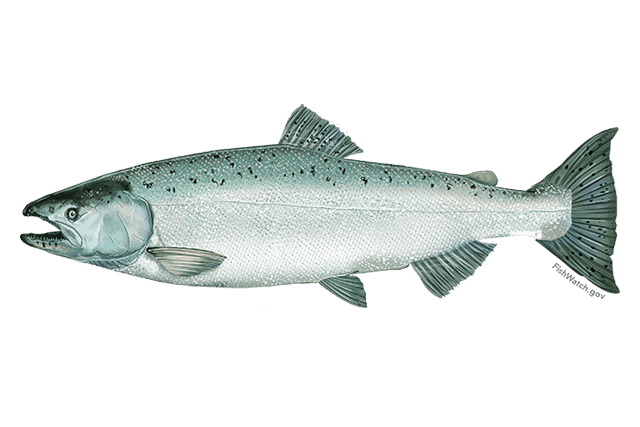
Coho Salmon
Silver salmon are pure dynamite on the line - they'll jump clean out of the water and fight like fish twice their size. These 8-12 pounders show up in the Sandy during their fall runs, typically September into October. You'll find them in the deeper pools and slower runs, often holding in the quieter water near cover. Cohos are acrobatic fighters that can leap 6 feet vertically, making every hookup a real show. Their bright orange meat is top-shelf eating too. They respond well to movement, so swinging spinners through likely spots works great. Pro tip: when you hook one, keep steady pressure but don't horse them - let them tire themselves out with those jumps, and you'll land more fish than trying to muscle them in.
Rainbow Trout
Rainbows in the Sandy typically run 8-16 inches with that classic pink stripe and spotted pattern that makes them so recognizable. They love the cooler, oxygenated water near riffles and undercut banks where they can dart out to grab food. Spring through fall fishing is solid, but they really turn on during cooler weather and overcast days. These fish are scrappy fighters that'll jump and run, plus they taste fantastic with that mild, sweet flavor. You'll find them in 2-6 feet of water around structure like fallen logs or rocky areas. Here's a local trick: during low water conditions like we often see in summer, focus on the deeper pocket water behind boulders - that's where they stack up waiting for food to drift down.

About the Clackamax drift boat
Vehicle Guest Capacity: 4